How to Make Money With Video Clipping in 2026
The honest answer first
Short clips are the fastest-growing content format on the internet, and creators will pay people who can turn their long videos into clips that get watched. Clipping is one of the most realistic ways to earn from video in 2026 — if you learn to spot the moment worth clipping.
How it works
Video clipping means taking a long video — a podcast, a stream, a YouTube video — and cutting out the best 30 to 90 seconds, adding captions and a hook, and formatting it for TikTok, Reels or Shorts. Creators use clips to reach new audiences, and many now pay for them.
There are three ways to get paid: clipping campaigns run by agencies, freelance work for individual creators, and working in-house or as a personal editor for one creator. Campaigns pay per clip or per view milestone; freelance work pays per clip or per hour; in-house work pays a salary.
AI tools can now find candidate moments and add captions automatically, which makes a clipper faster — but the judgement of what is actually interesting still belongs to a human. The best clippers combine AI speed with human taste.
Who this method suits — and who it does not
This method suits people who have a few hours a week, are willing to learn in public, and can wait a month or two for results. You do not need to be an expert to start — you need to be willing to do the work, ask for feedback, and keep going when the first attempts are rough.
It does not suit people who need money this week, who dislike the core task — whether that is writing, filming, designing or talking to clients — or who are looking for something that runs itself. If that describes you, the honest answer is to pick a different method from this guide, not to force this one. The method is not the problem; the fit is.
What you will need
You need less than most courses claim. The essentials are the same for almost every method in this guide, and most of them are free.
- A free account on the platform involved — no paid subscription is needed to start
- Two to five hours a week for the first month, at times you can protect
- A simple way to get paid, such as a bank account or a payment app
- A notebook or a spreadsheet to track what you try, what earns, and what does not
Step by step: getting started
You do not need to do everything at once. Work through the steps in order, and give each one a real try before moving on.
- Watch a lot of short-form content in one niche and note what makes you stop scrolling. The hook is everything.
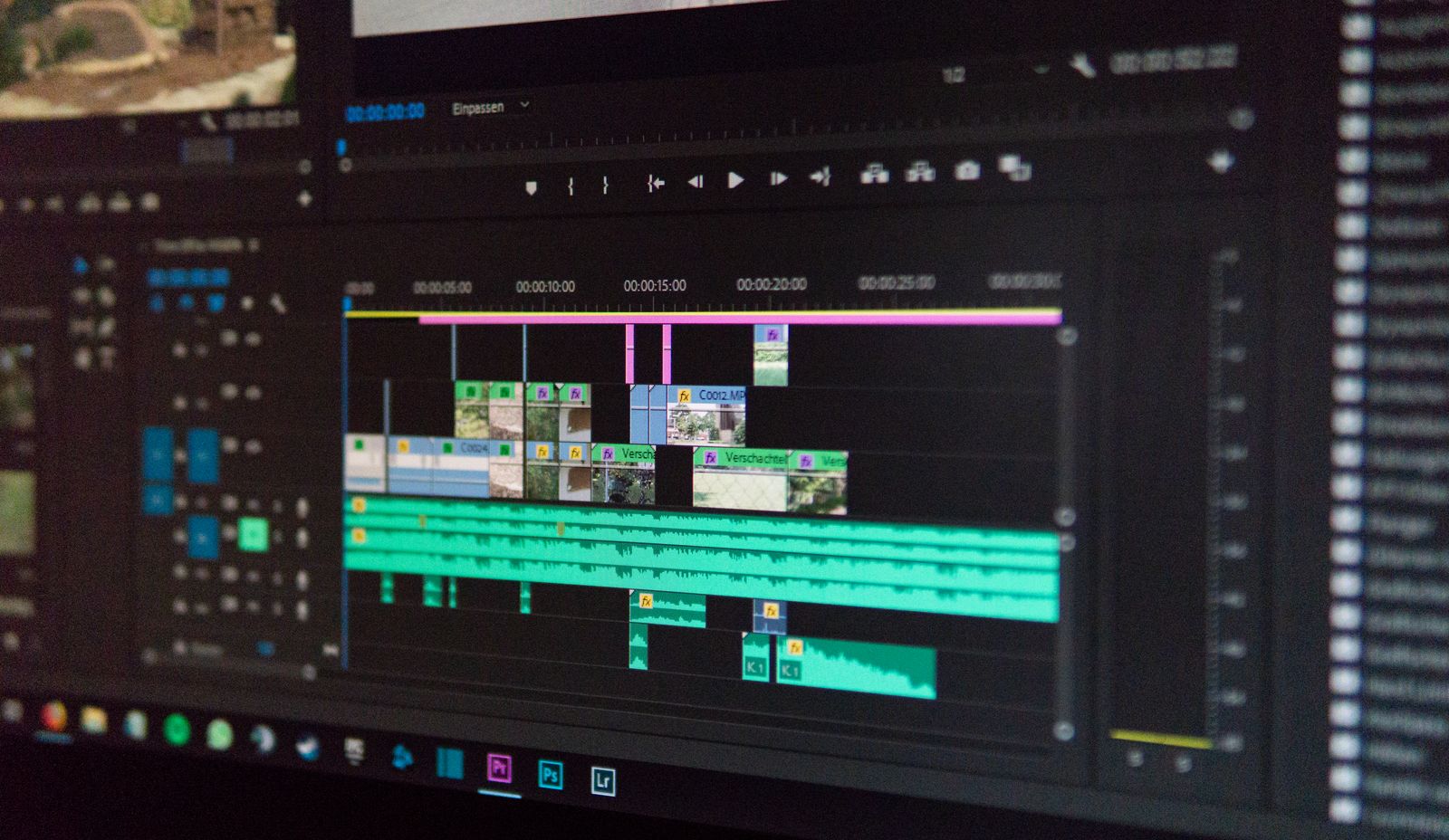
- Learn one editing tool properly — CapCut is free and is enough to start. Practise by clipping public podcast episodes.
- Make five sample clips in one niche and post them or send them to small creators for free, as a portfolio.
- Apply to clipping campaigns and message creators whose long videos you already watch. Show the sample clips, not a CV.
- Track which clips perform. Your rate should rise with your results, not just your hours.
How much can you realistically earn?
Beginner clippers typically earn a few dollars per clip on campaigns, or $15 to $40 an hour as a freelancer once they have a portfolio. Top clippers working with large creators earn much more, but that takes months of practice and a track record. Nobody can guarantee a clip will go viral, and per-view bonuses should be treated as a bonus, not a wage.
The first money usually arrives slowly. Expect the first month to be mostly learning and setup, the second month to bring the first small payments, and the third month to show whether the method is working for you. If nothing has earned anything after three months of steady effort, change the method or the niche — not the goal.
Results depend on your effort, your skills and the market. Nobody can guarantee your earnings, and anyone who does is selling you something, not helping you.
Mistakes to avoid
Most people who fail at this do not fail because the method is bad. They fail because of one of the mistakes below — all of them avoidable.
- Copying someone else's clips without permission. Always work with the creator's own content or with permission.
- Charging for views you cannot control. A clip's performance depends on the platform, not only on your edit.
- Paying for a course that promises guaranteed clipping income. The skill is learnable for free.
Scam warning: never pay to unlock a job, an account or your earnings. A real employer, client or platform pays you — it never asks you to pay first. If someone asks for an upfront fee, a gift card or a deposit to release earnings, walk away.
Keep reading: Online Earning Guide 2026 — every way to make money online, in one place.
Frequently asked questions
Can I really make money with this?
Yes, people do — but slowly, and not everyone. Earnings depend on your effort, skills and market. Treat it as a real project that takes weeks or months, not as quick money.
How long does it take to earn the first money?
Most beginners take four to twelve weeks to earn their first meaningful amount, depending on the method. Anyone promising income in days is almost certainly selling a course or a scam.
Do I need money to start?
Most methods in this guide can be started for free or for very little. Be suspicious of any method that requires a large upfront payment — that is a warning sign, not a requirement.
Is this financial advice?
No. This guide is for learning only. It explains how a method works and what people typically earn; it is not personal financial advice, and your results will differ.
This guide is for learning only and is not financial advice. Earnings are never guaranteed — results depend on your effort, skills and market. Never pay to unlock a job or earnings. See our Disclaimer. Read the full Disclaimer.